
Ceilings and Walls Aligned for Finishing
Sheetrock installation in Lewiston for residential upgrades, room additions, and new home construction projects
Maine's temperature swings from below-zero winters to humid summers put stress on every building material, including the panels that form your interior walls and ceilings. Sheetrock installation requires precision cutting, exact placement, and secure fastening so panels don't sag, crack along seams, or pull away from framing as materials expand and contract. The Sheetrock Whisperer provides sheetrock installation throughout Lewiston, creating surfaces that remain flat and solid through years of seasonal cycling while delivering the smooth finish needed for quality paint or texture application.
Installation begins with measuring each wall and ceiling section to minimize seams and waste, then cutting panels to fit around obstacles like electrical boxes, ductwork, and windows. Fasteners get driven to precise depths—too shallow and they'll pop through paint later, too deep and they'll break the paper facing that holds the gypsum core together. Edges meet at stud centers for proper support, and horizontal seams stagger across adjacent sheets to prevent long, weak lines that crack under stress.
Schedule a site consultation to review layout requirements and fastening specifications for your space.
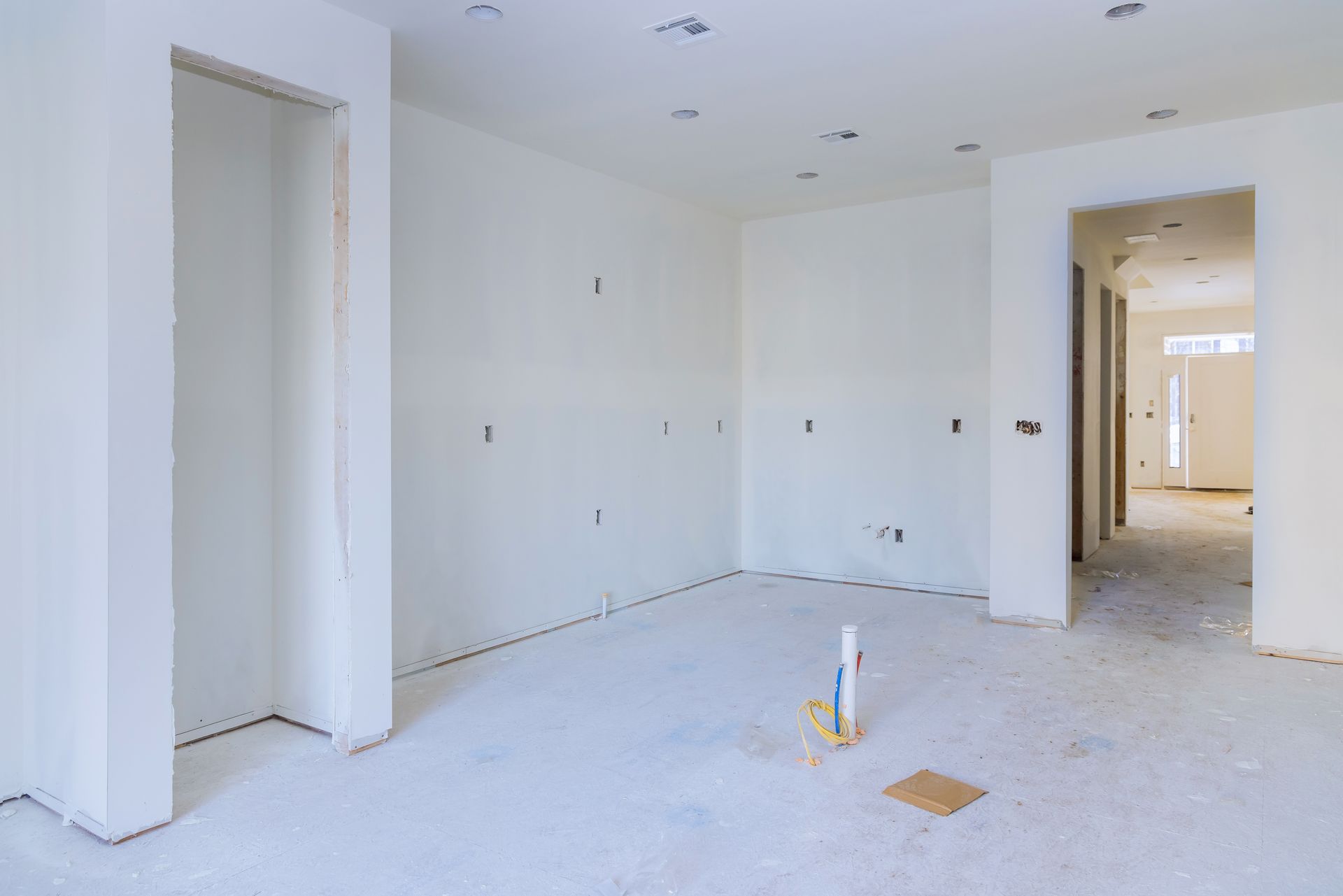
What Proper Installation Requires
Getting sheetrock to perform long-term means following spacing rules for fasteners, maintaining correct gaps at floor and ceiling lines for expansion, and ensuring every panel edge lands on solid backing. You're working with materials that weigh fifty to seventy pounds per sheet, positioning them overhead or against walls while maintaining alignment accurate to within an eighth of an inch. Clean cuts along edges prevent crumbling that would weaken taped joints, and proper fastener patterns distribute stress evenly across the entire panel surface.
After installation, you'll see walls and ceilings with sharp, straight corners and seams positioned to minimize visual impact. Properly secured panels feel solid when pressed, with no flexing or hollow spots that indicate missed framing members. The structure gains rigidity as panels tie studs together, and rooms become noticeably quieter as the gypsum core absorbs sound transmission between spaces. Taped and finished joints blend completely into the surrounding surface, creating a continuous plane ready for primer.
Ceiling installations often use stronger fastening patterns and closer spacing to resist sagging, particularly in older homes where joist spacing exceeds modern standards. Fire-rated panels in garages or utility rooms require specific installation techniques to maintain their protective rating. Each project involves calculating material quantities to reduce waste while ensuring enough stock for cuts, patches, and the occasional damaged panel that occurs during handling.
What Property Owners Usually Ask
Before beginning installation, homeowners typically want clarity on materials, methods, and project logistics.
What thickness works best for different applications?
Walls typically receive half-inch panels for standard residential work, while ceilings benefit from five-eighths-inch sheets that resist sagging and provide better sound and fire ratings.
How are panels secured to metal studs versus wood framing?
Metal studs require self-tapping screws with fine threads and specific driving techniques to avoid stripping, while wood framing uses coarse-thread screws or nails driven at prescribed angles and depths to prevent fastener pop.
When does installation require moisture-resistant panels?
Bathrooms, laundry rooms, and other high-humidity areas in Lewiston homes benefit from moisture-resistant sheetrock with treated core and facing materials that resist mold growth and paper delamination.
Why do some installations include blocking between studs?
Blocking provides backing for heavy fixtures like wall-mounted televisions, grab bars, or shelving, eliminating the need to locate studs later and ensuring secure mounting points wherever needed.
What cleanup happens after installation?
Cutoffs, fastener containers, and drywall dust get removed from the work area, and floors receive sweeping to eliminate gypsum particles that would interfere with flooring installation or damage HVAC equipment if left circulating.
The Sheetrock Whisperer coordinates installation timing with other trades to keep projects moving efficiently while protecting finished surfaces from damage. Reach out for project planning and material recommendations tailored to your Lewiston home construction or renovation needs.