
Damaged Surfaces Returned to Original Integrity
Sheetrock repair in Lewiston for water damage, cracks, holes, and structural deterioration from aging or settling
Water stains spreading across ceilings signal roof leaks or plumbing failures that have already saturated the gypsum core. Sheetrock loses its structural strength once soaked, sagging between joists or crumbling when touched. Cracks that start small grow longer as houses settle unevenly, and holes from accidental impacts expose insulation and framing behind walls. The Sheetrock Whisperer addresses sheetrock damage across Lewiston properties, determining whether sections need simple patching or full replacement based on the extent of deterioration, moisture penetration, and structural compromise visible during inspection.
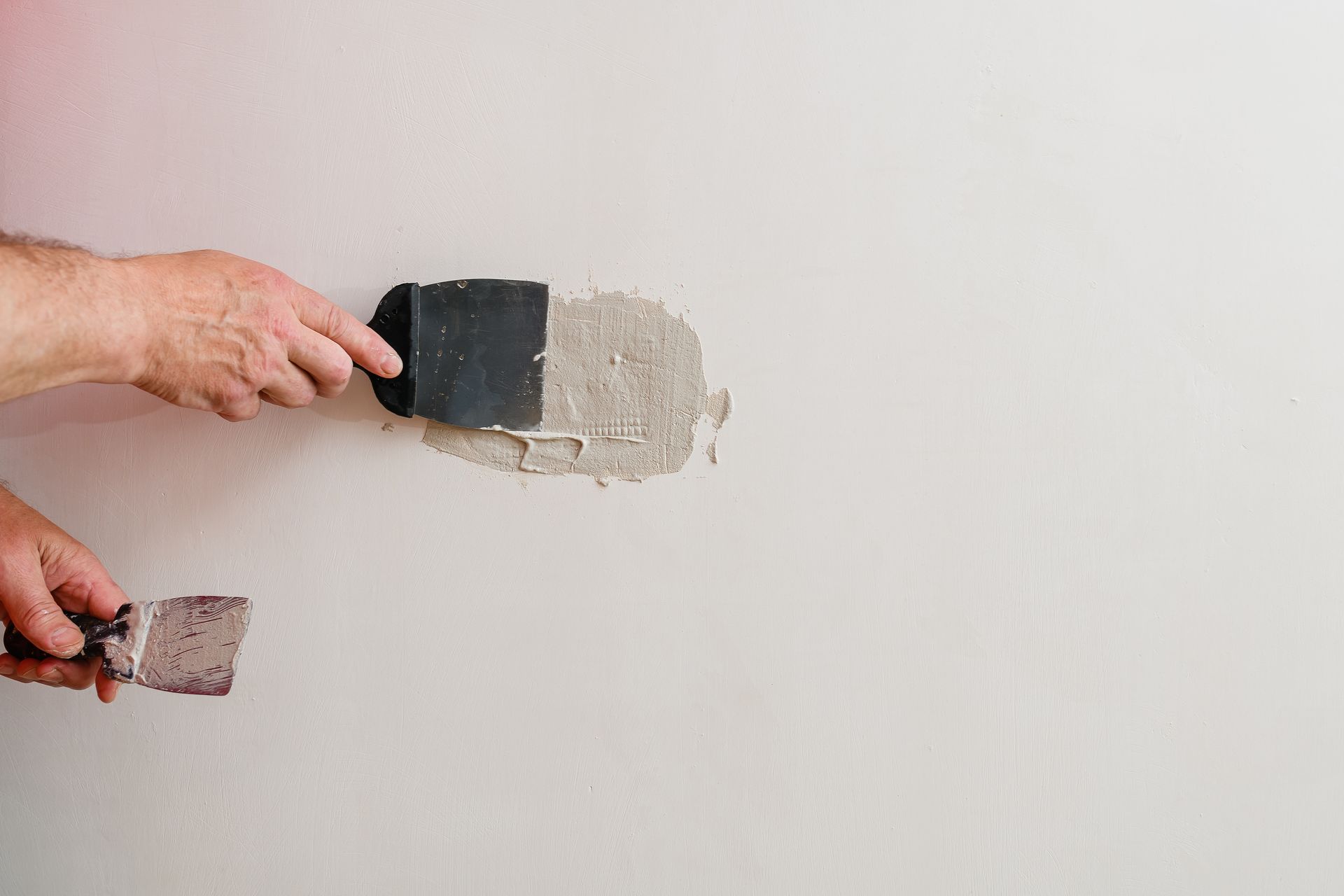
Repairs involve cutting away damaged material back to solid, dry sheetrock, then installing patches or full sheets that match the original thickness and edge profile. Water-damaged sections often extend beyond visible staining, requiring moisture meters to identify saturated areas that would fail later if left in place. Cracks get opened, reinforced with tape, and filled with multiple compound coats to prevent recurrence.
Request a damage evaluation to determine repair scope and identify any underlying moisture or structural issues.
Why Damage Happens and How to Stop It
Most sheetrock damage stems from water intrusion, structural movement, or direct impact. Roof leaks during Lewiston ice dam seasons saturate ceilings, while foundation settling cracks panels at stress points near windows and doors. Repairing visible damage without addressing the source means you'll face the same problem again within months. The Sheetrock Whisperer cuts out compromised sections, treats any mold on framing, and installs replacement pieces using the same taping and finishing techniques as new construction.
Repaired walls regain the smooth, continuous appearance of undamaged surfaces, with patches blending invisibly once painted. You'll notice that soft, sagging sections feel solid again when pressed, and cracks no longer reappear after temperature changes or minor settling. Water-stained areas lose their discoloration completely once damaged material is removed and replaced, eliminating the need for repeated paint touch-ups that never fully cover the stain.
Some repairs include upgrades like moisture-resistant panels in bathrooms or impact-resistant sheetrock in high-traffic areas prone to damage. The work also provides opportunities to add blocking for future fixture installation or improve insulation in exterior walls before closing them back up. Each repair gets sanded smooth and primed to match surrounding texture, creating a surface that accepts paint identically to the rest of the wall.
Answers to Frequent Service Questions
Repair decisions often depend on understanding damage extent, repair methods, and performance expectations after completion.
What's the difference between surface cracks and structural cracks?
Surface cracks affect only the joint compound layer and result from improper taping or drying conditions, while structural cracks penetrate through the sheetrock itself and indicate framing movement or inadequate support.
How far beyond visible damage does water-damaged sheetrock extend?
Moisture wicks through gypsum and paper facing well past visible staining, often traveling twelve to eighteen inches from the source, which is why repairs involve cutting back to completely dry material confirmed with moisture readings.
When should you replace an entire panel versus patching?
Damage covering more than thirty percent of a panel, or located near multiple edges where cutting would leave narrow, weak strips, typically justifies full panel replacement for better long-term performance.
Why does repaired sheetrock sometimes show texture differences?
Matching existing wall texture requires specific techniques and materials—smooth walls need careful feathering and sanding, while textured surfaces may require spray application or hand-texturing to blend convincingly with surrounding areas.
What prevents mold growth after water damage repairs in Lewiston homes?
Completely removing wet sheetrock and insulation, treating framing with antimicrobial solutions, confirming all materials reach normal moisture levels before closing walls, and addressing the water source prevent conditions that support mold colonization.
The Sheetrock Whisperer assesses both visible damage and underlying causes to recommend repairs that restore appearance and prevent recurrence. Schedule sheetrock repair services in Lewiston to address wall and ceiling damage before it spreads or compromises additional materials.